 Chat to a clinician
 Find a centre
 Emergency assistance
 Donate now
Download our fact sheet on cutting back on alcohol and other drugs.
(PDF 721kb)
Substance use can be a part of life for lots of people, and there are many reasons why people might use - maybe it's to feel connected, attempt to cope, or just out of curiosity. There's no shame in that. But sometimes, it can start to feel like it's taking more than it's giving. Particularly if you're noticing that its affecting your mood, relationships, health, or the things that matter to you. If this sounds familiar you're not alone - and there's support available.
Taking time to reflect on your relationship with substances is important so that you can make changes if you feel like you need to, when you are ready. It's not about judgment, it's about you feeling more in control, and finding what works for you.

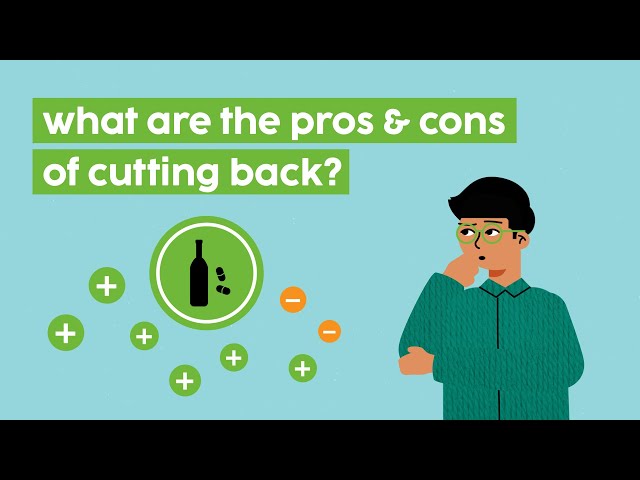
Paying attention to some of the impacts of your alcohol and other drug use, like reduced sleep, motivation, energy and mood, can help you to start making different decisions that work for you in the long term.
Whether you’re celebrating a friend’s birthday or heading to a music festival, try to stay safe and limit alcohol and other drugs to help your headspace.
- keep your mind alert
- stops the side effects of hangovers and come downs
- improve your motivation
- improve your sleep
- improve your mood
- improve your energy levels
- improve your relationships
- improve your engagement with work or study.
Safer substance use and harm minimisation
Harm minimisation is all about keeping you safe, no matter where you’re at with substance use. It’s not about judgement or pressure – it’s about understanding that people use substances for lots of reasons and making sure you have the information and support to look after yourself and others. Whether you’re thinking about using, already using, or supporting a friend who is, harm minimisation means things like;
- Knowing the risks
- Staying connected to people you feel safe with
- Looking after your mental and physical health
- Getting help if you need it
Basically, it’s your body your choices- and you deserve respect, safety and support
For more information on specific substances check out this link: Drug Wheel - Alcohol and Drug Foundation https://adf.org.au/insights/drug-wheel/
You can also use Text the Effects which is an anonymous SMS service that provides confidential information about the effects of drugs. To use the service, simply text the name of the drug you want to know more about to 0439 835 563.
Before, During and After
The BDA framework stands for Before, During, and After - and it's a simple way to help you think about your substance use in a safer, more mindful way.
1. Before using check in with yourself... How are you feeling? What's going on for you? Are you in a safe place with people you trust?
2. During use stay safe by being aware and making choices that keep you and others as comfy and safe as possible - like knowing your limits, staying hydrated, and looking out for your mates
3. After you have used notice how you are feeling- physically, mentally, and emotionally. Think about what helped, what didn't, and whether you'd do anything differently next time. It's not about being perfect - it's about being safe, informed, and looking after yourself.
Ask an expert: how can I reduce my alcohol and other drug intake?
Professor Yvonne Bonomo is an Alcohol and other Drugs expert from St Vincent's Hospital:
- Start by working out how alcohol or other drugs are impacting your life. Ask yourself: 'Have I been anxious or upset more than usual? Could this be related to my alcohol or other drug use?'
- What role is substance use playing in your day-to-day life? Are you using them to cope with anxiety or other difficulties; to connect with others; to enjoy the effects? Understanding this helps to plan and make manageable changes if you notice that that substance use is having a negative impact on your life
- Start slow. Try beginning with a short break (try a few days, then a week, then a month). This will help you reset and see the impact it's having.
- Be patient. It might take a few days before you start to see positive changes.
- Stay healthy. When you cut back it’s normal to feel a little off, so look after yourself – try to eat well, do a little bit of exercise, spend some time with people you care about.
- When an urge comes up try to sit with it. Recognise: 'OK, this usually happens before I drink or use other drugs, but this time I'm not going to act on it'. The more you do this, the easier it becomes.
- Don’t be too hard on yourself. Whether you’re cutting back or quitting, it’s normal to have ups and downs. Lapses are common. Remember it’s a process and you learn every time you try again.
Interactive activity
'After a particularly rough period, I was introduced to headspace. I spoke with a young counsellor who was just really helpful. He was aware of the issues that young people face. He told me how important it was to reduce my intake and have a strong support network around me.
I built my support network out from just headspace and included my family and girlfriend. It hasn’t been an easy process. But my support network has been so helpful.'
- Fergus, headspace Youth National Reference Group Alumni
Healthy habits
When you’re feeling low or stressed it’s important to put healthy habits in place that build your emotional strength – to help you for ride life’s ups and downs.
Ready to take action?

The headspace Clinical Reference Group oversee and approve clinical resources made available on this website.
Last reviewed December 2025
Get professional support
If you feel you need help there are a range of ways we can support you.