 Chat to a clinician
 Find a centre
 Emergency assistance
 Donate now
mental health during & after a natural disaster
In the immediate days following a critical incident
There is no right or wrong way to react following a critical incident. Some young people might feel sadness and seek connection, while others might feel numb or disconnected. Young people can be more vulnerable to the effects of critical incidents due to developmental factors and potential exposure to graphic content witnessed in person or online.
Life can change significantly during and after a critical incident, even if we weren’t directly involved.
• Direct exposure might include witnessing the event, experiencing harm, or the loss of safety or loved ones.
• Indirect exposure can occur through hearing stories from family and friends or through media coverage (radio, television, newspapers, social media).
Both direct and indirect exposure can have an immediate and lasting impact on mental health and wellbeing.
Common reactions can include disrupted sleep, changes in eating patterns, difficulties with relationships, and challenges with routine activities like schooling.

Support for young people
The stress from natural disasters is tough. It’s important to take time to check in and do things to look after yourself, which can also put you in a better place to support your family and community as well. Learn strategies to cope with stress from natural disasters.
Chat to a mental health professional
- Connect with eheadspace to speak 1-on-1 with a mental health professional for free on webchat, phone or email. Available 3pm – 10pm everyday.
Articles and videos
- How to cope with the stress of natural disasters
- How to help a friend who has been impacted by a natural disaster
- Maintaining a healthy headspace during bushfire season
- After the floods
- Coping with the stress of bushfires
- Understanding anxiety about climate change
Group chat transcripts
Support for families
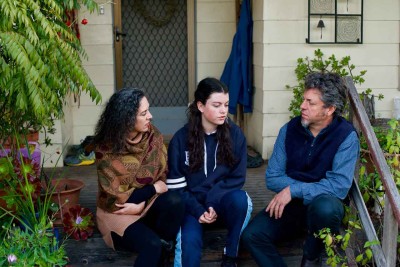
Natural disasters may cause some young people to feel stressed, anxious or concerned. Checking in with your young person is an important way family can help young people feel supported during these times. Listen to your young person’s concerns and where you can, help them to feel prepared and calm. It’s crucial that you look after yourself during this time too and model self-care behaviour for your young person.
Chat to a mental health professional
- Connect with eheadspace to talk about what's going on with your young person. Talk online or over the phone to a trained clinician for 1-on-1 support. Available 3pm - 10pm . It’s a confidential, free and a safe space.
Articles and videos
- Supporting a young person after a natural disaster
- Maintaining a healthy headspace during bushfire season - supporting your young person
- Supporting a young person after exposure to a traumatic event
- Supporting your young person experiencing anxiety about climate change
- After the floods
- Coping with the stress of bushfires
Group chat transcripts

Support for educators and community organisations
Communities can be rocked by disasters or critical events, which can have long-lasting effects on the mental health and wellbeing of young people and those around them. headspace can provide timely capability and support to communities so you can respond and recover from crisis situations.
What we do:
- Provide organisations with tailored advice and consultation
- Provide direct response and recovery natural disaster support
- Connect individuals and organisations with local and national natural disaster services and support
Programs and workshops for schoolsBe You - the mental health in education initiative delivered by Beyond Blue in collaboration with Early Childhood Australia and headspace. Be You provides Australian educators with knowledge, tools, and resources to create positive, inclusive, and responsive learning communities.
|
|

Further information
If you are working in local organisations/councils/schools and are looking for support on how to manage your response, email: schools&communities@headspace.org.au
Articles and fact sheets
- Community resources
- Responding to natural disasters resources by Be You. Be You is the national mental health and wellbeing initiative for learning communities; delivered by Beyond Blue, in collaboration with Early Childhood Australia and headspace.