Chat to a clinician
 Find a centre
 Emergency assistance
 Donate now
Physical Health
headspace isn't just for your head.
Looking after your physical health is just as important as looking after your mental health. Your physical, mental and emotional wellbeing are all connected, and taking care of one can positively impact the others. Whether you have questions about your health, want support to achieve your wellbeing goals, or are looking for local services and activities, we're here to help.
Explore the topics below about taking care of your physical (and sexual) health!
Our headspace Nurse can support you with a range of physical and sexual health concerns, including general health checks, sexual health, healthy lifestyle goals, medication information, and connecting you with the right services.
Where and how you can access the headspace Nurse
Nurse Christie is available at headspace Southport by appointment.
Your headspace clinician or the team at the front desk can set up a time for you.
What our nurse can support you with
Check out all the ways in which Nurse Christie can support your physical and sexual health;
- General health checks like blood pressure, height, weight, BMI
- Wound care for minor burns, cuts and abrasions, dressing changes, stitches/staple removal
- Sexual health screening for STIs, pregnancy testing, contraception education, condoms, periods
- Medication support and education
- Health education around sleep, nutrition, physical activity
- Health screening including blood glucose, vision and hearing
- Respiratory health including asthma and associated medications, plus vaping and smoking support
- Referrals and support to understand and access other services
Who can see the headspace Nurse?
Young people aged 12 - 25 who have been referred by a headspace staff member.
Chat to our friendly team who can link you to our nurse.

Exercise and movement are some of the most effective ways to support mental health because they benefit both your body and your brain.
In this section, you'll find information about the connection between movement and mental health, practical tips for getting active in ways that work for you, and links resources. Whether you're taking your first steps or looking for new ways to stay active, every bit of movement counts.
How movement helps
- Improve mood by increasing chemicals in the brain which help regulate emotions and promote a sense of wellbeing
-
Reduce stress and anxiety by lowering stress hormones and helping your nervous system return to a calmer state
- Support better sleep, which is closely linked to emotional wellbeing, concentration, and resilience.
- Boost confidence and self-esteem through achieving goals, developing skills, and feeling stronger physically.
- Improve thinking and concentration by increasing blood flow to the brain and supporting memory and learning.
- Increase social connection when movement involves others, such as team sports, walking groups, or fitness classes. Social connection is a protective factor for mental health.
Any Movement Matters
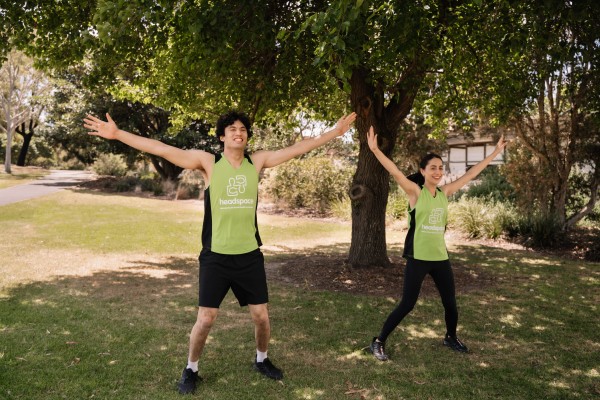
You don't have to be an athlete or go to the gym to experience these benefits, any movement that you enjoy counts!
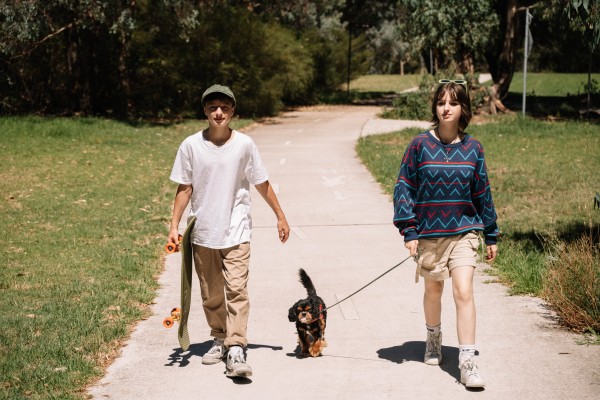
Walk around the block, go for a bike ride, grab your skateboard, play a round of pickleball, do some gentle stretching, dance to your favourite song, take your dog for a run around the park.
Want some tips from an expert? Alex Parker is an Exercise and Mental Health Professor. Here are her tips to help you get active.
-
Start small. If you start by setting small goals you will be more likely to do them and this will help you feel more motivated.
-
Keep track. Monitor your progress and track the benefits after you exercise. This will help you see connections between how moving more helps you feel better.
-
Do what you enjoy. Whether you enjoy working hard, for short periods of time, or prefer swimming at the beach it will be a lot easier to stick to it if you're having fun!
-
Make the time (even when you’re busy). When you’re busy and stressed, staying active can be the first thing you stop. But being active during busy times will actually help you through tough periods.
-
Set a routine. Plan ahead and make physical activity a part of your routine. Things like having your workout gear ready the night before and setting an alarm can help you stick to your goals.
Resources and Interactive Tools
- Staying Active to Support Your Mental Health
- How to Set Goals for Positive Change
- Having Trouble with Motivation
Sexual health is an important part of your physical health and wellbeing. When it comes to sexual health you might have heard of things like safe sex, consent, contraception, sexually transmitted infections (STIs) and having ‘the talk’. Learning about these things can help you stay informed and safe.
Good sexual health means having a respectful and positive attitude around the decisions you make about sexual activity. It can feel a bit awkward, but sexual health is something that we all need to think and talk about, regardless of our gender or sexuality.
Who can support your sexual health
- Our headspace nurse is a great person to talk to about sexual health. She can offer information about contraception, STIs, safe sex, consent and can even do testing and STI screening. Ask any of our staff members about how you can book in to see our nurse.
- Your General Practitioner (GP) is also an excellent source of support and information for all things sexual health. As well as information, screening and tests, they can also discuss and prescribe contraception and refer you to any specialists required.
- Sexual Health Clinics can support you with education, testing, counselling and contraception. Check out True Clinics and Gold Coast Sexual Health Clinic
Online Resources to Explore
Whether you're navigating dating, identity, consent, sexual health concerns or questions about relationships, here's some resources to guide you on your way.

The Gold Coast offers an incredible natural playground for getting active, connecting with others, and supporting your wellbeing.
With stunning beaches, rainforest walks, parks, waterways, sporting hubs, and thriving community spaces, the Gold Coast is the perfect place to get active. Whether you're into sport, hiking, outdoor adventures, slow walks on the beach or simply exploring new experiences, there are countless opportunities to move, connect, and have fun.
Whatever your interests, there's a local activity waiting for you!
With stunning beaches, rainforest walks, parks, waterways, sporting hubs, and thriving community spaces, the Gold Coast is the perfect place to get active. Whether you're into sport, hiking, outdoor adventures, slow walks on the beach or simply exploring new experiences, there are countless opportunities to move, connect, and have fun.
Whatever your interests, there's a local activity waiting for you!
City of Gold Coast Active and Healthy Program
The Council’s Active & Healthy program offers more than 400 free or low‑cost weekly activities including yoga, pilates, bootcamps, social sports, wellbeing classes, and school‑holiday programs. Find out more here
Play On! Sports Vouchers
Play On! Sports Vouchers is a Queensland Government program that helps young people get active. Each voucher is worth up to $200 and can be used to help cover the cost of joining a sport. The program is for young poeple up to the age of 17 and aims to make organised activities more affordable for families. Learn more about eligibility and how to apply here
What do our Youth Advisory Council Recommend?
We asked young people from our YAC what, where and how they love to keep active! Check out their recommendations.
"I love going for a walk along the Broadwater! There's swans and other wildlife and it's so nice on a hot day."
"I take my dog to the dog park at the back of the botanical gardens. Its such a nice walk and the dog area has a huge pond he loves to get in with all the other dogs. I've also made some friends with dogs too and we sometimes walk together."
"Indoor climbing! It’s fun, has problem solving and is a creative way to exercise. Community is really amazing too... you can either socialise more or put your headphones on for more of a workout."
"Bit of lounge room yoga to a playlist of my favourite music."