 Chat to a clinician
 Find a centre
 Emergency assistance
 Donate now

When people talk about managing money, they usually mean having a plan. Creating a budget is a great place to start, but sometimes you may need to adjust your spending or look for ways to increase your income as costs rise or goals change.
This page brings together ideas that some young people find helpful when trying to make their money go further. Everyone’s situation is different, so focus on what feels most relevant to you and revisit the rest later if you need to.
Protect your essentials
Prioritising essentials like housing, food, transport, health costs, utilities (electricity, water, internet), childcare or school costs, and any work and study-related expenses can help to create some stability. For some young people, this may also include contributing to family, kin or other community responsibilities.
One way to do this is by separating your money, like keeping essential expenses in one account and everyday spending in another, so it’s easier to see what's available. You could also withdraw your spending money as cash if that helps you stay on track.
From there, you can explore what changes might reduce some pressure or free up money for other priorities.
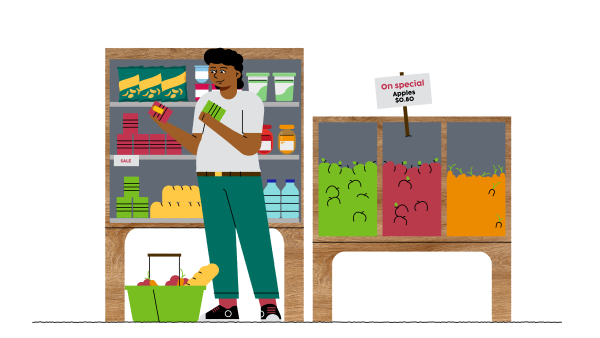
Start with the bigger, regular expenses in your budget.
You might be able to save money by:
- walking, riding or taking public transport instead of driving or using rideshare, where these options are available and safe
- using petrol comparison tools, such as apps like MotorMouth to find cheaper fuel, or signing up to free rewards programs with companies like 7-Eleven
- asking about student, youth or concession discounts on transport, entertainment or memberships (Note: In Victoria, public transport is free for people under 18)
- reviewing your phone and internet plan to make sure you're not paying for more than you need, including options like using prepaid mobile data or using free public Wi-Fi
- comparing energy, phone, internet and insurance providers occasionally to find the best deals, and paying bills on time to access any discounts offered
- cancelling any subscriptions you don’t use, such as streaming or gaming services, rotating subscriptions month-to-month, or using free options (e.g. ABC iView) where you can
- shopping for clothing, furniture or textbooks at second-hand stores, garage sales or through online marketplaces (e.g. Facebook or Gumtree)
- checking bank fees - ask your bank about low or fee-free options and consider changing banks if needed
- switching to a cheaper gym, pausing your membership or cancelling and setting up a home workout.
Food costs make up a large share of weekly expenses but can sometimes be one of the easier areas to adjust. A few small changes can lower costs without completely changing your routine. You could try:
- cooking more meals at home
- using discount and coupon apps when you eat out
- cooking bigger meals and freezing the leftovers
- planning meals in advance to avoid last-minute spending
- choosing home-brand or reduced products when you can
- buying fruit and vegetables that are in season or on special
- including a few lower-cost, non-meat dinner options each week
- buying household items like cleaning products from discount stores.
Housing is one of the biggest expenses many young people manage, and costs can vary widely depending on location or living situation. While these options won't suit everyone, some people reduce costs by:
- sharing instead of renting alone, by living with people you know or finding housemates through sites like Flatmates or local Facebook community pages
- short-term house-sitting
- living with family or other supports for a period of time, if that’s an option.
Looking after your health and wellbeing can slip down the priority list when money is tight, but it doesn’t have to. There are free or low-cost services that many young people use to access care without paying full fees.
What’s available can depend on where you live, so it can help to check what’s offered locally and ask around your community for options. Some services may have waiting times, so check in early when you can.
You may be able to access:
- free counselling services at headspace centres or through eheadspace
- free mental health information and services through a Medicare Mental Health Centre
- bulk-billed GP visits (at no cost to you)
- low-cost or community dental services
- free sexual health clinics
- telehealth appointments you can access from home
- free outdoor park gym equipment.
Ways to increase your income
If you’ve reduced what you can and still need more flexibility, there are a few ways to bring in additional money that could be an option for you.
Tip: Check your eligibility to receive government support (Centrelink) payments, especially if your circumstances change. If you are an Australian citizen or permanent resident, these payments are designed to support you. Even if you're not sure you’ll qualify, there’s nothing to lose by checking.
Work, study and income support options
How you earn money or access support can look different at different points in your life. Some work options may also depend on your visa or work rights, so check these carefully.
The suggestions below are grouped by situation, so you can focus on what’s most relevant to you now.
If you have a job, there are a few checks you can make to ensure you’re getting the most from that income, such as:
- checking your payslips and contract (or award) to make sure you are getting paid the correct rate, including penalties or allowances. If something doesn’t seem right, speak to your manager or contact the Fair Work Ombudsman for free and confidential support
- making sure your tax and super are set up properly
- speaking to your manager about:
- picking up extra shifts or hours if that’s an option for you
- reviewing your pay if your role or responsibilities have changed
- opportunities for future promotions
- if you have the capacity, you might consider taking on an additional job or side gig.
Having more than one income stream can also give you some flexibility, especially if one source of income changes.
- check your eligibility for support through an Employment Services Provider
- consider other free employment and study services, like headspace Work and Study
- explore our online resource library for job-seeking information and tools.
Increasing your income doesn’t always mean getting a job. Many young people are prioritising study, health or contributing to family or community in unpaid ways.
For some, income comes from government payments, family or community support, or a combination of these. In these situations, increasing income is more about making sure you are receiving the correct support.
Check your eligibility for extra government support supplements while you’re studying, caring for others or unable to work right now.
Tip: Government payments and eligibility can be confusing. You can ask to speak with a Centrelink social worker, or contact the Indigenous Call Centre, who can help with your application or check your payments match your situation. You can also ask for an interpreter or bring someone you trust if that’s helpful.
Ways to get money quickly
Unexpected expenses or immediate savings goals come up for most people at some point. While these options aren’t sustainable long term or the right fit for everyone, if you need cash quickly you could consider:
- selling items you no longer use like clothes, furniture or tech at a market, garage sale or through online marketplaces (e.g. Facebook or Gumtree)
- offering services like pet sitting, lawn mowing, or tutoring
- freelancing or starting a small side hustle based on your skills and interests
- contacting Centrelink for an advance payment on a benefit you receive (you will need to pay this back so best to keep it for emergencies).
If you’re feeling stressed about money or debt, also consider reaching out to family or a trusted adult. Sometimes it helps to talk about what’s going on instead of carrying it on your own, and they may be able to offer practical ideas or a different perspective.
Ways to build income over time
Some options don’t pay straight away, but can help open up more opportunities down the track like:
- building new skills
- doing short-courses or certificates
- taking up training opportunities at work
- starting a small business
- volunteering (this can sometimes lead to paid work).
Borrowing money
Borrowing money isn’t good or bad on its own, but it can add pressure to your day-to-day budget.
Before taking on debt, it helps to consider how repayments will sit alongside your essentials and if you could keep up with the commitment if your situation changes.
One way to think about borrowing money is whether it puts you in a stronger position over time. Debt that supports your ability to earn more in the future, such as buying a car you need for work or a laptop to complete a course, may be useful in some situations. Using debt to cover everyday costs like food or bills, on the other hand, can often make things harder later on.
For some young people, access to credit can be limited or come with higher risk, which makes it especially important to pause and weigh up your options.
Personal loans usually involve borrowing a lump sum and paying it back over an agreed period. With a credit card, you can spend up to a limit and how much you pay depends on how much you've borrowed.
Personal loans often have lower interest rates than credit cards, but they can be harder to get approved, especially if you’re new to borrowing.
Both can have their place in long term money management, but they can also become stressful if your circumstances change. Missed or late payments can lead to extra fees, high interest charges and longer-term impacts.
If you're thinking about getting a credit card or loan:
- compare interest rates, fees and repayment terms before signing up
- set a manageable credit limit for yourself (even if it is less than you are being offered)
- make sure you can commit to the minimum repayments, and try pay more when you can
- set up direct debits so you don’t miss a payment
- be aware that missed payments can affect your credit rating which can impact future borrowing.
Services like Afterpay, Zip or Pay in 4 let you buy something now and spread the cost over time. They can be convenient, especially when money is tight, but they are still a form of debt and come with risks.
Before using BNPL, it’s worth keeping a few things in mind:
- late payments can add extra fees
- having multiple BNPL accounts can make it harder to get approved for a loan
- missed repayments may affect your credit report
- it's very easy to overcommit and end up short for essentials.
Getting financial support
If you've tried making changes and things still aren’t adding up, that doesn’t mean you’ve done anything wrong. Sometimes incomes, even when managed carefully, just can’t keep up with the rising cost of living, or there are other circumstances outside of your control.
Extra support, payment assistance or speaking with a financial counsellor (like through the National Debt Helpline) can help. Reaching out for information or support is a practical step, even if it doesn't always feel easy.
You can visit our getting support with your finances article to explore other services and resources that may be helpful.
If money stress is affecting your wellbeing, eheadspace is also available to help.
Balancing your budget is a process, and it’s not something you can solve all at once. Money skills develop alongside everything else you’re figuring out. It’s ok to take this one step at a time, change your approach, and ask for help along the way.
Next, let’s explore some simple ways to get started with saving and make the most of the money you put aside.
| Previous article: How to build a budget | Back to main page | Next article: Getting started with saving |
Get support with headspace Work & Study
If you're aged 15 – 25, headspace can help you develop the skills and confidence to reach your work or study goals.
headspace Work & Study programs are free to access online or in-person at over 50 of our headspace centres.
- Australian Securities and Investments Commission. (n.d.). Manage the cost of living. MoneySmart. https://moneysmart.gov.au/budgeting/manage-the-cost-of-living
- Australian Government. (2025, December). Managing the cost of living. myGov. https://my.gov.au/en/services/work/managing-the-cost-of-living
- Zhong, A. (2021, March 25). Hidden risks of Buy-Now-Pay-Later services. RMIT University. https://www.rmit.edu.au/news/acumen/hidden-risks-of-buy-now-pay-later-services
Disclaimer
The information in this document is for general information only. It should not be taken as constituting professional advice from the issuer, headspace National Youth Mental Health Foundation Ltd (“headspace”). headspace is not a financial adviser. You should consider seeking independent legal, financial, taxation or other advice to check how the information in this document relates to your unique circumstances. headspace is not liable for any loss caused, whether due to negligence or otherwise arising from the use of, or reliance on, the information provided directly or indirectly, by use of the information set out in this document.
The headspace Content Reference Group oversee and approve resources made available on this website.
Last reviewed 16/07/2026.
Get professional support
If you feel you need help there are a range of ways we can support you.