 Chat to a clinician
 Find a centre
 Emergency assistance
 Donate now

Quick overview
- Group interviews involve multiple candidates and often include activities, discussions and responding to interview questions together.
- Employers are looking at how well you communicate, approach challenges and work as part of a team.
- Group interviews give different personality types and communication styles a chance to show their strengths.
A group interview is when you’re interviewed alongside other candidates, often through a mix of activities and questions, and are more common in larger organisations. This style of interview may take longer, and can include tours, question-and-answer sessions, and group-problem solving tasks.
It’s common for you to be asked to work together with others on a single problem during a group interview. This helps employers understand how you communicate, work with others and approach problem-solving as part of a team. A good approach is to avoid being overly competitive and play to your strengths:
- More of an active leader? Great! Help get the ball moving with ideas and actions. You can showcase how you can encourage discussion and keep momentum flowing towards the goal.
- Bit of a quiet, deep thinker? These people can often see the bigger picture and can help keep the group focused and on track. You might help explore the different ways the team could complete the task and make sure everyone is on the same page about what the plan is.
- Good at reading people and bringing others together? People who notice group dynamics can help create a positive and inclusive environment. Let your positive vibes boost everyone’s confidence and make sure everyone is heard so you can get the best out of the entire team.
How to prepare for a group interview
There are some basics to preparing for a job interview, and they all apply to group interviews. But there are also a few extra tips that could help you feel more prepared:
- Research the company and the people running the interview. This may give you a better idea of the kinds of questions they’re likely to ask. You can reach out to the company and ask who’ll be in the interview if you haven’t been given this information.
- Expect questions about how you work with others. Interviewers will want to understand how you communicate, contribute to a team and handle different priorities. If you don’t have much work experience yet, you can draw on examples from school, sport, volunteering, community work or other group activities.
- Get comfortable talking to multiple people at once. Strong candidates will often answer one person’s question while engaging with the whole group through eye contact and body language. The best way to build confidence is through practice. You could ask family or someone else you trust to role-play an interview and give feedback on your responses.
- Practice answering common interview and behavioural questions before the interview. You may be asked some of these during the interview or be asked to complete written or online tasks beforehand.
Remember, you don’t NEED to have previous experience in all areas. Interviewers are usually just looking for your strengths and that you’re open to learning new skills.
How to be yourself in a group interview
It’s normal to overthink how you should act in an interview, especially when you’re trying to make a good impression. But if you’ve been invited to an interview, the employer already sees potential in you and thinks you’d be a good fit for the role. Most employers aren’t expecting you to be perfect, they’re just looking for someone who can communicate well, work with others and show a willingness to learn.
The best way to go in confident and comfortable is to take the pressure off yourself a bit.
Remember, job interviews go both ways and it’s just as much about you as it is about them. Before the interview, think of a few questions you’d genuinely like to ask about the role or organisation to see if it’s a place you’d like to work. For example, you could ask about training, team culture, career development opportunities or what support is available for new staff. Preparing questions ahead of time can also help you feel more confident and show that you’re engaged and interested in the opportunity.
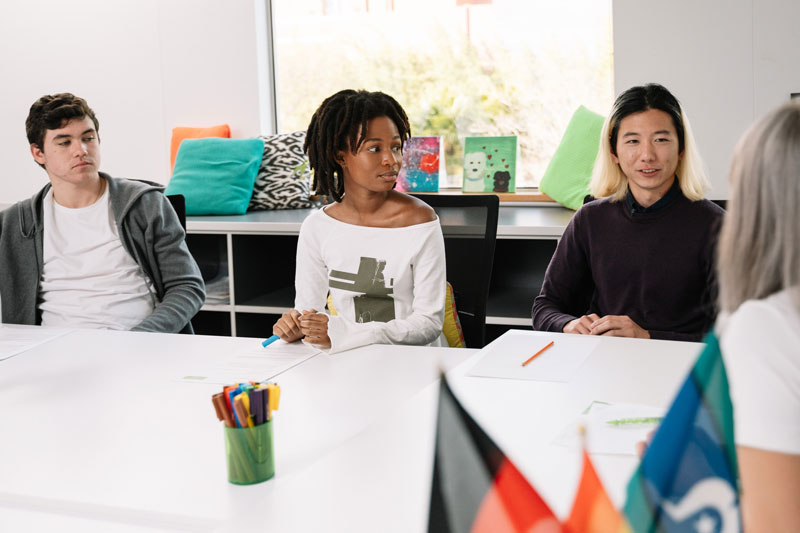
Group interviews can feel stressful, especially if you haven’t done one before. Employers are usually just looking at how you communicate, work with others and approach challenges, not that you have all the ‘right answers’ or are the loudest person in the room. They can actually be more relaxed and enjoyable than people expect, especially once the conversation and activities get moving. Try be yourself, stay open to the experience and have a bit of fun with it.
Get support with headspace Work & Study
If you're aged 15 – 25, headspace can help you develop the skills and confidence to reach your work or study goals.
headspace Work & Study programs are free to access online or in-person at over 50 headspace centres.
The headspace Content Reference Group oversee and approve clinical resources made available on this website.
Last reviewed 18/07/2026.
Get professional support
If you feel you need help there are a range of ways we can support you.