 Chat to a clinician
 Find a centre
 Emergency assistance
 Donate now

Q&A: Meet our GP Registrar Justin Ha
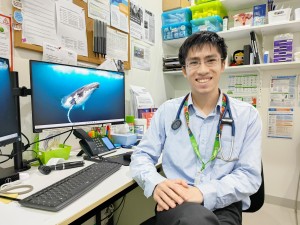
“I feel like no matter where I end up working, the experiences I get from training in Bendigo will prepare me for the future.”
Why did you decide to become a GP?
Being a GP is not dissimilar to being a life coach. I love hearing people’s stories, and it is really fulfilling helping people be their best person. It’s also intellectually stimulating – every day is different.
Why did you choose headspace Bendigo as a place to complete your GP Registrar training?
I’ve always had a strong interest in mental health and youth mental health is a fascinating sub-speciality. It is very fulfilling to be in a position to make a meaningful difference for young people in the community. The team here has been very supportive, and I have learnt a lot, from not just my mentor Dr Chris Sasse, but from everyone in the multidisciplinary team. As a registrar, it is really reassuring being in a supported environment where I get to learn from everyone and discuss complex cases. I feel like no matter where I end up working, the experiences I get from training in Bendigo will prepare me for the future. It’s also good fun, I’ve never been on an Easter hunt before working at headspace Bendigo!
What does a typical day look like for you as a GP registrar?
A typical day for me starts with an intake meeting where we hear about new clients coming into the service. This is usually followed by training with my supervisor where I get some teaching into common youth mental health presentations and I can refine my clinical skills. I then break for lunch and chat with other staff members before seeing young people for consultations. A lot of consultations involve anxiety, depression, ADHD, stress, sleep issues or general wellbeing concerns but no two days are ever the same!
Why do you think it’s important for headspace to have a GP clinic onsite for young people?
Having a GP clinic onsite makes health care more accessible for young people - often mental health and physical health are intertwined and you can’t address your mental health without addressing physical health. The general theme of feedback we’ve heard is one of safety and feeling heard. A lot of young people also don’t have regular GPs, and this may be their first time accessing healthcare which can be really daunting. It also helps to have a GP provide a medical context in a multidisciplinary team and help coordinate care. Finally, some GPs in the community are not as confident managing youth mental health and so it can be helpful providing secondary consultation services to the community.
What do you hope to do once you have completed your training?
Oh, that I’m not sure! Maybe travel a bit, spend time with family, gaming, that sort of stuff! Post training for work though I think it would be nice to continue working in a mental health related field part time, and part time as a community GP. Variety is the spice of life after all!