 Chat to a clinician
 Find a centre
 Emergency assistance
 Donate now

The world of work has changed a lot in recent decades, and it’s still changing fast. Experts predict that up to 65% of children starting primary school today will end up in jobs that don’t even exist yet (Futurity Invest, 2023).
Figuring out what comes next can feel like a big step into the unknown, but it’s also the start of an exciting new chapter full of opportunities for young people to learn more about themselves.
This article shares some practical ideas to support young people to make confident decisions about study that fit who they are and where they want to go.
Every family and community will approach decisions differently, and young people’s options can vary depending on their circumstances. While not all the information here may apply to your situation, we hope you find some ideas that feel useful for your family.
Conversations about the future
Support and reassurance from family can be especially meaningful when young people are making decisions about their future. Whether you’re quietly supporting their wellbeing in the background or researching courses right alongside them, your perspectives and knowledge are a big piece of the puzzle.
The most important thing is to keep communication lines open. For some young people, just knowing you’re available to listen or offer suggestions when they need it is enough. You might say something like, “How can I be helpful right now?”
If decisions are usually made together in your family, you could say, “I’d like to be part of the decisions you’re making about future study because I care about you. How can we work together so it feels fair and respectful?”
Many families will also need to consider who will pay for the course and how the young person’s roles and responsibilities at home or in the community might shape their decisions. Talking openly about these factors can help everyone understand what options are available.
It might help to reassure the young person that while their decisions matter, they don’t have to be permanent. University majors can be changed, shifts in pathways can often include credits towards new qualifications, full time can become part time, and the young person can always return to study if now isn’t the right time.
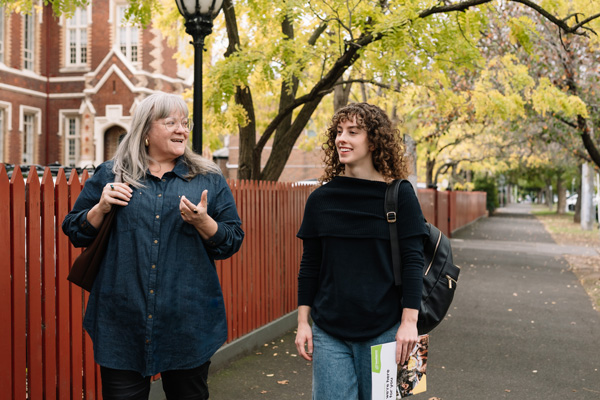
More than one way forward
Study isn’t the only way to keep learning or moving towards future goals. Gaining experience can sometimes be just as valuable. Some young people step straight into full time work after school, while others need time to experiment and build the confidence to make their next move.
If the young person has goals that require further study but feels hesitant, it can help to explore these feelings together. Are they unsure about their interests? Feeling burnt out from school? Worried about cost or pressure? A bit of supportive problem solving with family can sometimes ease these concerns and help them to see their options more clearly.
If study isn’t the right fit, family can still support young people to stay curious and build skills in other meaningful ways. This might look like:
- Exploring different types of work (and saving towards goals)
- Attending community or cultural programs
- Trying short courses or workshops in their areas of interest
- Volunteering, work experience or supporting local groups
- Taking time to focus on health and wellbeing
Study may seem like the most reliable path to a successful career, but a period of exploration often leads to more grounded, confident decisions in the future.
A note about the ATAR
Many schools place significant focus on the Australian Tertiary Admission Rank (ATAR) and direct entry to university. For some young people this works well, but it can sometimes create unnecessary pressure and lead to rushed decisions – and it certainly doesn’t capture the full range of opportunities available.
Some young people choose to finish their senior schooling through Technical and Further Education (TAFE), distance education or homeschooling instead of a traditional school setting. All these options can lead to further study, including university.
But university isn’t the right fit for everyone, and approximately 25% of students that enrol in a bachelor's degree do not complete it (Institute of Public Affairs, 2024). A degree also isn’t necessary, or the best pathway, for many jobs and industries. For example, employers in community services, trades, creative industries or certain technology fields often prefer hands-on experience over academic study.
Career journeys can be as diverse as the young people who take them. There are many ways to build skills, gain experience and create meaningful careers with or without an ATAR.

- Aaliya left school in Year 11 to work in hospitality. After a year, she enrolled in a Diploma of Hospitality Management through her workplace, which she later used to enrol in a Bachelor of Business degree.
- Max started a school-based plumbing apprenticeship in Year 11. After finishing Year 12, they transitioned into a full apprenticeship, became a qualified plumber, and started their own small business employing others in their community.
- Kai completed Year 12 and took some time out to explore his interests. He completed a series of short courses in digital design and social media marketing through TAFE and online providers. With these skills, he started freelancing, built a small client base, and eventually set up his own digital marketing business.
- Eli completed Year 10 through distance education and then worked in retail for a couple of years to focus on their health. When they felt ready, they completed a 12-month university bridging program and received direct entry into a Bachelor of Social Work degree.
Exploring study options
Studying doesn’t have to look the same for everyone. This article on study pathways and education options can be a great starting point to explore what’s available, and a useful resource to share with a young person as they consider their next steps.
Exploring options together may make the process a bit more manageable for everyone involved. Here are some simple ways you could offer support:
- Research course options and entry requirements together online
- Attend open days or careers expos together and support conversations with the representatives
- Book and/or attend an appointment with the school or education provider’s career advisor
- Take career quizzes separately and compare your results – this can be a fun way to reflect on your perspectives
- Introduce the young person to people you know who are working or studying in the fields they are interested in
- Help plan practical things, like transport or budgeting, to make the transition less daunting
- Suggest services like headspace Work and Study that are designed to support young people through this process.
You don’t need to be an expert, but offering to explore options together can show that you're interested and available if they need you.

The whole picture
There is a lot more to study decisions than simply choosing something that sounds appealing. If the young person is open to it, it can be helpful to have some supportive conversations that encourage thinking about the ‘bigger picture’.
Working together to unpack what’s most important, brainstorm solutions to any potential challenges, or explore ways to find out more can help everyone feel more confident about the plan. You might explore topics like:
- Future prospects: What sort of job might they get with this qualification? Is it in demand? What do they think they will enjoy about that job? Do they have a backup plan if it’s not the right fit?
- Values, skills and interests: Does it connect to what matters most to them? Will it give them a chance to use their strengths in ways that feel meaningful and satisfying?
- Learning styles: How is the course delivered? How have they learned best in the past? What student support is available to help them while they study?
- Finances: Will they need to work while studying? Are there any government supports, scholarships or part time options that could ease the pressure? Is it flexible if they want to pivot to another option?
- Lifestyle changes: Will they need to commute or move away from home? What changes will study bring to their daily routines and responsibilities?
- Wellbeing: How might they manage this extra workload? Do they have a backup plan if things get overwhelming? What support can be set up to protect their mental health and wellbeing while they study?
Considering how everything fits together can help to ensure that their choices align with their goals, wellbeing and everyday life, giving them the best chance to succeed.
Managing setbacks
It’s normal to experience challenges along the way. A course that once seemed perfect might not turn out as expected, results might not go to plan, or personal circumstances may change. These moments can be disappointing, but they don’t mean a young person’s future is at risk. Setbacks can be part of the journey and often lead to valuable growth.
Try to listen without judgement and jumping in to ‘fix’ the problem, giving the young person space to figure out what to do next. Asking something like, “What do you need from me?” can invite your participation without adding pressure.
Sharing stories of challenge or redirection can normalise setbacks and show that change is a part of life. You could reflect with the young person on how these experiences can be an opportunity to learn more about what works, what doesn’t and what matters most.
Family can play an important role in helping young people learn from setbacks and plan their next steps, either through supportive conversations or by connecting them with services that can help.
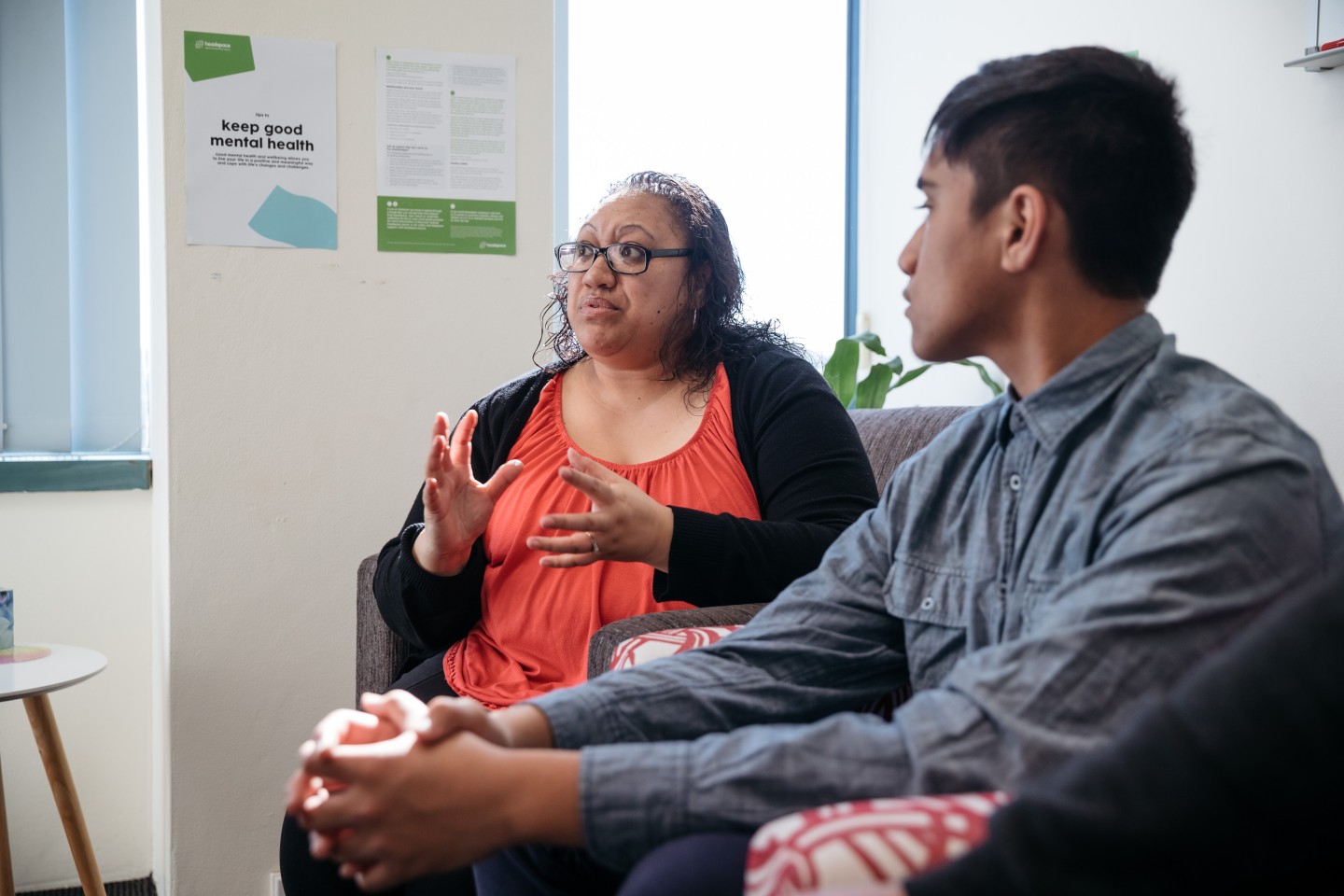
Every young person’s path will look a little different, and that’s okay! What really matters is supporting your young person to find their own way forward feeling confident and informed. Keep showing interest, stay curious and celebrate the learning along the way.
Get support with headspace Work & Study
If you're aged 15 – 25, headspace can help you navigate your study options and develop the skills and confidence to reach your work or study goals.
headspace Work & Study programs are free to access online or in-person at over 50 of our headspace centres.
The headspace Content Reference Group oversee and approve clinical resources made available on this website.
Last reviewed Nov 2025
Australian Bureau of Statistics. (2025, May 21). Education and work, Australia. Australian Government.
https://www.abs.gov.au/statistics/people/education/education-and-work-australia/latest-release
Futurity Invest. (2023, August 4). Future Australian jobs: What to expect in 2030.
https://www.futurityinvest.com.au/insights/futurity-blog/2023/08/04/future-australian-jobs
Institute of Public Affairs. (2024, October). Fees for no degrees. Institute of Public Affairs.
https://ipa.org.au/wp-content/uploads/2024/10/IPA-Report-October-2024-Fees-for-No-Degrees.pdf
Jobs and Skills Australia. (2023). Current skills shortages. Australian Government, Department of Employment and Workplace Relations. https://www.jobsandskills.gov.au/publications/towards-national-jobs-and-skills-roadmap-summary/current-skills-shortages
Get professional support
If you feel you need help there are a range of ways we can support you.