 Chat to a clinician
 Find a centre
 Emergency assistance
 Donate now

Family here means anyone playing a supportive role in a young person's life - including biological, cultural, and chosen. Every family comes to this journey with different experiences. You may have heard various things about BPD, or this might be the first time you are learning about it. Some people feel relieved to have a name for what's happening; others feel uncertain or worried about what it means. It's completely normal for family members to have mixed feelings. All reactions are valid.
At the centre of this story is a young person who needs understanding, patience, and connection. Your relationship with them can be a powerful part of their journey.
'Growing up' or something more?
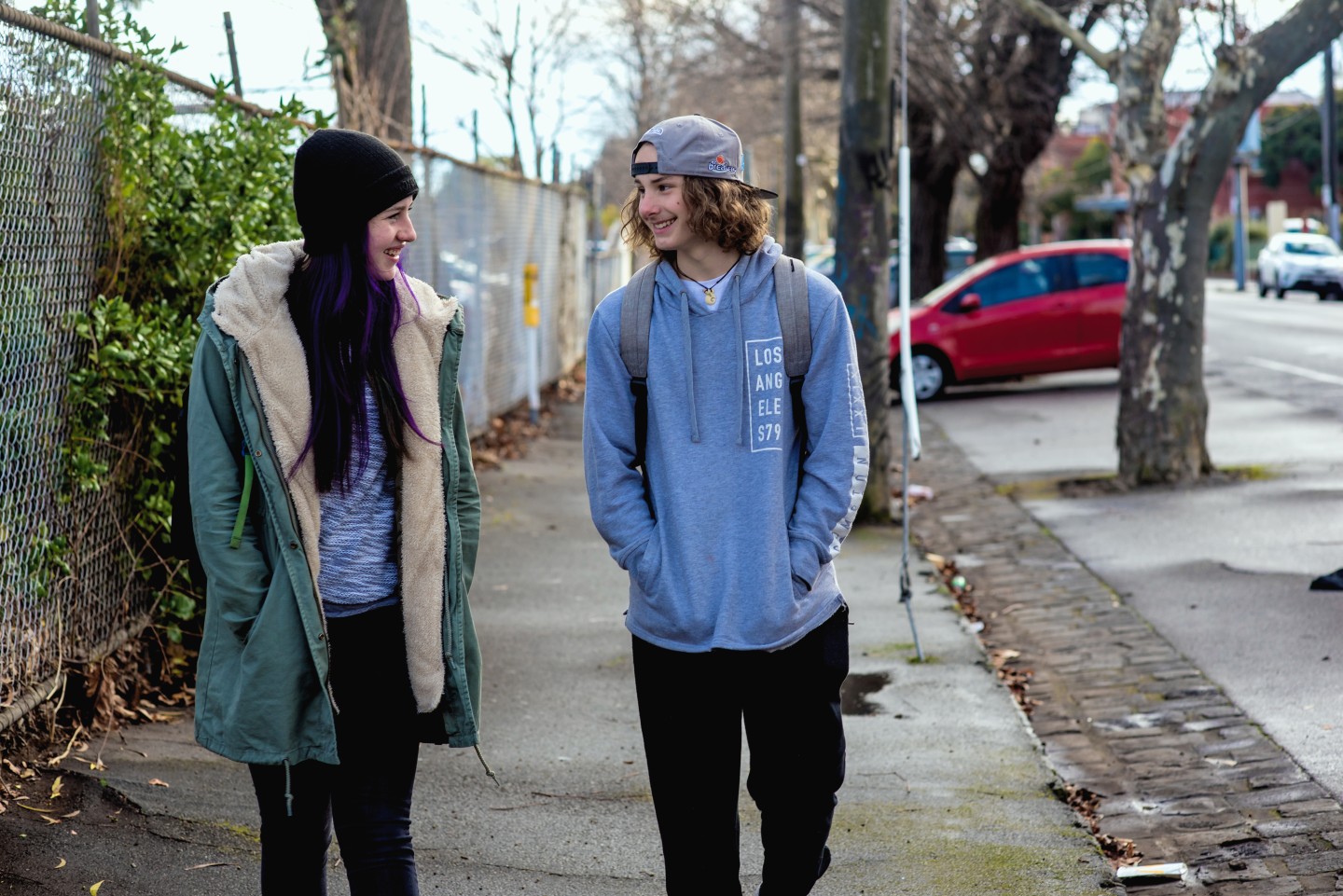
Navigating emotional ups and downs, identity shifts, risk taking, and exploring independence can all be a natural part of growing up. Families have shared with us that it can sometimes be hard to know whether the experiences of the young person they care about are typical or whether something more might be going on.
BPD is a mental health condition that affects the way a person experiences emotions, relationships, impulses, and their sense of self. What makes BPD different from the usual challenges of growing up is that these experiences are very intense, persistent, and distressing. BPD can impact many areas of a young person's life and cause significant distress over time.
For young people, this might include:
- Intense fear of rejection or abandonment. Even small changes in relationships can feel painful or threatening.
- Ups and downs in relationships. Connections may swing between closeness and conflict.
- Shifts in sense of self. Uncertainty about who they are or where they fit.
- Strong emotions that feel hard to manage. Moods may change rapidly and feel overwhelming.
- Risky or impulsive behaviours. Such as overspending, unsafe driving, or harmful substance use.
- Self-harm or suicidal thoughts. Often as ways to cope with overwhelming distress.
- Feeling empty or numb. A sense of "nothingness" that might be hard to describe.
- Intense anger or frustration. Strong feeling that can feel hard to control, sometimes leading to outburst or conflict.
- Feeling suspicious or disconnected under stress. A times of high pressure, young people might feel on edge, numb, or cut off from themselves or the world around them.
The Australian BPD Foundation estimates that up to 6% of people experience BPD. In settings like headspace, around 1 in 10 young people may meet diagnostic criteria. Some experience BPD traits without receiving a diagnosis- these experiences are just as real and can be just as distressing.
Young people with BPD or BPD traits can learn new ways of relating to emotions, build on their strengths, and live connected lives. Support from family and services can be an important part of this growth.
While BPD brings challenges, many young people navigating BPD also have deep empathy, creativity, and a strong desire for meaningful connection - qualities that are genuine strengths.
"For me it's this fear of being alone or being abandoned and it spirals. Quick changing moods and feeling like emotions are so overwhelming and out of control sometimes. Like my sense of self is in constant change" – Francie (24)
What causes BPD?
Every young person's story is unique. There is no single cause of BPD; it results from a combination of biological, relational, environmental, and systemic factors. Some young people naturally experience emotions more intensely, and certain experiences can add additional stress.
Contributing factors may include:
- Biology. Differences in emotion processing and brain development.
- Genetics. Family history of mental health difficulties may increase risk.
- Trauma or adversity. Experiences of neglect, abuse, unmet needs, loss, or chronic stress.
- Systemic discrimination. Racism, homophobia, transphobia, ableism, or other forms of bias can increase stress and reduce access to safe supports.
Family can sometimes feel blamed when a loved one is diagnosed with BPD, especially when early life experiences are mentioned. While relationships in childhood do shape development, BPD is never caused by one single factor, person, or event. Many young people with BPD have had loving and supportive families, and many families themselves may have faced their own hardships, pressures, and intergenerational challenges.
Understanding BPD is not about blame. It's about recognising the experiences that shaped a young person so everyone can work together in supportive, hopeful ways.
"I felt confused and even blamed myself at times. I didn't understand why things escalated so quickly or why small conflicts could lead to emotional crises. I often questioned if I was doing more harm than good. Learning more about BPD helped me understand that it wasn't personal, it was part of a complex mental health challenge."- Family member
The words we use matter: language and stigma
Our understanding of BPD has changed over time. We now know that BPD isn't about being "on the border" of anything- it describes patterns of emotions, relationships, and identity shaped by a mix of experience and neurobiology. These patterns can shift overtime with care and support.
Some people find the term BPD useful; it can help explain what they're going through and points them toward support. Others don't like the label, especially if it's been used in a hurtful or dismissive way. BPD can be misunderstood and carry stigma. Some people hear the diagnosis and think it says something negative or fixed about who the person is- but that's not true. You may hear BPD referred to as Emotionally Unstable Personality Disorder (EUPD) as an alternative to using the label BPD.
The words we use matter. Family can play a powerful role in challenging stigma. Small changes in language and attitude can help a young person feel valued, respected, and hopeful, and build greater understanding and compassion in their communities.
Here are a few tips for family:
- Ask the young person. Speak with the young person about the term or language they prefer is used when describing their experience.
- Speak to the person, not the label. Say "my child who has BPD" rather than "they are borderline".
- Use hopeful language. Remind the young person and those in their life that people with BPD can learn new ways to navigate challenges and live full lives.
- Challenge stereotypes. Gently correct others if they describe people with BPD in negative or hurtful ways. Even small shifts matter; reframing "manipulative" to "in distress and seeking connection," or "attention-seeking" to "reaching out for help and needing support".
- Normalise struggle. Acknowledge that everyone has difficulties. BPD is one way distress can show up. It is not a character flaw.
- Focus on strengths. Notice and name qualities and strengths that the young person has i.e. creativity, empathy, loyalty, and resilience.
- Model respect. Speak about BPD in the same way you would talk about any other health condition
By using compassionate, respectful language, family can help reduce stigma and centre the young person they care about, including their strengths.
"There's often talk about being manipulative or being dangerous, when the reality is that people with BPD are more likely to be a danger to themselves, or more likely to be hurt. The misconceptions can feel hurtful and also make it more difficult to open up."- Francie (24)
"It doesn't make up who you are, it's just a part of what you're experiencing in life. It's not you as a person." – Family member
When experiences overlap
Many young people with BPD also experience other mental health challenges, such as depression, anxiety, eating disorders, substance use issues, ADHD, autism, or trauma-related symptoms. These experiences can overlap, making it harder to understand what's going on or delaying access to the right support.
Family can help by noticing changes over time, validating feelings, offering a non-judgmental ear, and sharing observations with clinicians who are trying to understand the full picture.
With care, young people can navigate these overlapping experiences and grow stronger.
"There were frequent mood swings, fear of abandonment, and difficulty managing relationships. At first, I thought it was anxiety or depression, but the patterns became more consistent and intense." – Family member

What helps?
Early support can help young people learn to manage emotions, strengthen relationships, and build a more stable sense of self. A key support can be the relationship a young person builds with a mental health professional. Research shows that the quality of the connection often matters more than the specific therapy used. A strong therapeutic connection creates a safe space to explore emotions and relationship and can help a young person build understanding about how they relate to others and explore new ways of connecting. Taking the time to find the right fit can make a real difference.
Dialectical Behaviour Therapy (DBT) is one therapy that has strong evidence for people with BPD. It often includes individual therapy, skills groups, and family involvement, and helps young people build skills for:
- Navigating strong emotions
- Coping with distress
- Strengthening relationships
- Developing mindfulness
Whilst specific therapies like DBT may not always be easily accessible to all, the goals and skills of DBT can still be brought into therapy. Prioritising finding a mental health professional that the young person feels safe and supported by is more important than seeking a specific therapy. Family can help by encouraging engagement, supporting practical needs (like transport), attending appointments if helpful and the young person consents, and offering steady encouragement.
Healing takes time. With support from family, evidence-based therapy, and cultural and community connection, over time young people can experience greater safety, stability, and growth.
'Connection wasn't built through big breakthroughs, but through consistency. Showing up when I said I would, being honest about my limits, and apologising if I missed something, those small actions made a difference. That shift taught me that the relationship itself can be healing, even if the content of the sessions doesn't change dramatically. Instead of trying to solve everything, I learned to hold space for distress.' – Clinician
Your role as family and friends
Family can be an invaluable source of safety and stability. At the same time, intense emotions, fears of abandonment, and impulsive behaviour can create tension or conflict. Feeling overwhelmed at times is normal. None of this means you're failing.
Practical ways to support a young person with BPD
Stay calm and present. Gentle reassurance, breathing together, or sitting quietly can help them feel grounded and supported.
Let them know their emotions are real and understandable, even if their experiences of these emotions feel intense or confusing. Phrases like, "I can see that you're really upset, and it makes sense you feel that way," can help them feel heard and respected. Validation doesn't mean you have to agree with every action, it shows that you recognise their emotional experience.
Clearly expressing limits while staying connected can help relationships feel safer and more sustainable. This might include naming what you need in the moment while reassuring care and commitment, for example: “I want to keep talking about this, and I also need us to slow things down so we don’t hurt each other.” Over time, this supports trust and healthier relationship patterns.
Support them in finding safe ways to navigate emotions, such as mindfulness, creative outlets, physical activity, or connecting with trusted friends or community. No one copes perfectly and building on ways of coping takes time. Celebrate small wins and consistent efforts.
Supportive routines, clear expectations, and consistent responses can help young people feel safe and reduce anxiety. Consistency also models reliability and stability in relationships.
Cultural practices, kinship networks, and community involvement can strengthen identity and resilience. Encourage them to draw on these supports alongside professional help.
It may not be you that the young person chooses to talk to and that’s okay. You can encourage the young person to chat to other safe people they trust and can talk to about how they feel.
The goal isn't to 'fix', but to walk alongside with understanding and hope.
"Boundaries aren't barriers, they're more like anchors. I was hesitant to set them because I didn't want to seem rejecting. What I realized is that when boundaries are clear and consistent, they can actually reduce distress, and make the relationship feel safer." - Family member
Responding to risk while maintaining connection
Supporting a young person with BPD sometimes involves navigating moments of crisis or high distress. These moments can be frightening, but calm and supportive responses can help keep the young person safe.
Key steps:
Work with the young person during calm moments to plan how they want to be supported when they start to feel unsafe or are in crisis. It's important to revisit and update it regularly. Tools like the Beyond Now app are helpful for prompts and templates.
Try to stay calm, grounded, and present if a young person expresses distress, risk, or is in crisis. Focus on listening rather than offering solutions. Physical presence is usually more grounding than words when someone is feeling extremely distressed. You might try taking slow breaths together or just sitting quietly with them until emotions settle.
If there is immediate risk of serious harm, remove dangerous objects if safe to do so, and stay with them until they feel safe.
If needed, contact your local crisis service, mental health helpline, or emergency services. In Australia, these include:
Lifeline: 13 11 14
Kids Helpline: 1800 55 1800
Local emergency services: 000
After immediate risk has passed, continue to provide support, validate feelings, and help the young person access ongoing care. Encourage them to discuss what happened with a trusted clinician and explore strategies to navigate future distress.
Supporting someone in crisis can be emotionally exhausting. Seek support for yourself from trusted friends, family, or professionals, and take time to process your own feelings. See below for free and confidential support services available to people supporting a loved one.
Crises do not define a young person. Self-harm or intense distress are signs of pain, not failure. With supportive responses and professional care, resilience can grow.
'Being believed and understood is huge. Even if you don't get it, saying "I know this is hard, let's figure it out together" helps so much.' – Francie (24)
Culture, identity, and community
Culture, identity, and community play a central role in shaping a young person's experiences, sense of self, and pathways to healing. For young people with BPD, culture and community can provide strength, connection, and meaning. It can also bring challenges in understanding and accessing support- particularly because BPD is based on western ideas of mental health, which may not align with all cultural or spiritual perspectives.
Young people may face stigma within communities or experience discrimination related to race, gender, sexuality, disability, or identity. These pressures can intensify distress and make help-seeking feel unsafe. At the same time, cultural identity and LGBTIQA+ identity can be powerful sources of strength. Connection to traditions, spirituality, kinship, and affirming spaces can offer belonging and resilience.
Family can support young people by embracing identity strengths, advocating for culturally safe and identity-affirming care, and involving community or cultural supports when appropriate.
Tips when seeking culturally responsive and identity-affirming care:
-
Seek informed providers experienced in cultural safety or LGBTIQA+ inclusion.
-
Share cultural or identity needs, including practices, language, and pronouns.
-
Ask how identity and culture can be integrated into care.
-
Involve trusted community members, Elders, or peers if the young person agrees.
-
Know your rights to safe, respectful, affirming care. Give feedback, or seek alternative providers if needed
Considering cultural and identity needs alongside mental health support helps create a holistic environment where young people feel respected, understood, and empowered
"People are often left feeling like they're the only ones experiencing a certain thing. Seeking community is not just important for identity, but also important for mental health and being able to support each other. Especially if you have people in your life that don't understand or aren't that validating of you"– Francie (24)
Supporting yourself
When so much of your energy and focus is on supporting the young person you love it can feel difficult to add another task to an already full plate. Caring for a young person with BPD can be emotionally demanding, and it's normal to feel stressed, anxious, or uncertain at times.
It's because of this that self-care is vital, not as a rigid routine, but in ways that work for you. Even small acts matter. This might look like taking a few minutes to breathe, enjoying a quiet cup of tea, listening to music, or saying no to extra responsibilities.
You can also access…
Counselling can help you can help you process your emotions, learn strategies for communication and boundary-setting, and navigate challenging situations. Even if the young person you are supporting isn't ready to seek help, you can. This also models to the young person what caring for yourself can look like.
Connecting with other families who are supporting a young person with BPD can be reassuring and validating. Peer groups provide a space to share experiences, practical tips, and encouragement without judgement.
Engaging with community networks, cultural and faith practices, or kinship systems can provide emotional grounding, a sense of belonging, and practical support. These connections can be especially meaningful for families who draw strength from culture and shared values.
Final thoughts
Supporting a young person with BPD is a journey. With steady relationships, cultural grounding, accessible support, and community connection, young people can learn to manage distress, strengthen relationships, and build fulfilling lives. Your presence, hope, and commitment make a real difference.
'What gives me hope is seeing growth… With the right support, so much can change. In tough moments, it helps to hear: "This isn't your fault, and this will pass. You don't have to go through it alone."' – Family member
Helpful resources
Additional resources on BPD
-
Project Air: Research and resources including resource for family and a free e-learning program for family and carers
-
National Education Alliance for Borderline Personality Disorder- Family Connections Program: Family Connections is a free, 12-week course that meets weekly for two hours to provide education, skills training, and support for people who are in a relationship with someone who has BPD.
-
Spectrum - When someone you know has been diagnosed with BPD: A Helpful Guide for Families, Friends, and Supporters
For helpful tips on navigating your relationship with the young person
-
Building a healthy relationship with your young person | headspace
-
Building a healthy relationship with your young adult | headspace
Understanding when a young person needs support with their mental health
-
An overview of mental health for family and friends | headspace
-
Free online and phone support for family supporting young people
-
Adults Supporting Young People group chat - connect and share tips and experiences with other adults supporting young people with their mental health
Support for family
-
headspace provides free and confidential phone and webchat support to family and young people
-
Carer Gateway is an Australian Government program providing free services and support for carers
How to get support for a young person
If a young person you know is having a tough time, get in touch with your local headspace centre or use our online or phone-based service.
For immediate help contact triple zero (000) if it is an emergency.
National 24/7 crisis services:
-
Lifeline: 13 11 14 or lifeline.org.au
-
Suicide Call Back Service: 1300 659 467 or suicidecallbackservice.org.au
-
Beyond Blue: 1300 224 636 or beyondblue.org.au
Additional youth support services include:
-
Find a local headspace Centre
-
Kids Helpline: 1800 55 1800 kidshelpline.com.au
-
ReachOut: reachout.com
-
SANE Australia: 1800 187 263 sane.org
The headspace Clinical Reference Group oversee and approve clinical resources made available on this website.
Last reviewed January 2026
Australian Government Department of Health. (2012). Clinical practice guideline for the management of borderline personality disorder. National Health and Medical Research Council. https://www.nhmrc.gov.au/about-us/publications/clinical-practice-guideline-borderline-personality-disorder
BPD Foundation Australia. (n.d.). Spectrum: A guide for families, friends and supporters. https://www.bpdfoundation.org.au/images/Conference%20Resources/Spectrum%20Borderline%20Personality%20Disorder%2012pp%20A5%20Carer%20booklet_3.pdf
Borderline in the ACT. (n.d.). Facing stigma. https://www.borderlineintheact.org.au/living-with-bpd/bpd-challenges/facing-stigma/
Borderline in the ACT. (n.d.). BPD and co-occurring disorders. https://www.borderlineintheact.org.au/living-with-bpd/bpd-comorbidities/
Borderline Personality Disorder Foundation Australia. (n.d.). National consensus statement on BPD. https://www.bpdfoundation.org.au/national-consensus-statement.php
Family Connections Australia. (n.d.). Family Connections program. https://www.bpdaustralia.org/family-connections-program/
Orygen. (2021). Effective early intervention for young people with borderline personality disorder. https://www.orygen.org.au/About/News-And-Events/2021/EFFECTIVE-EARLY-INTERVENTION-FOR-YOUNG-PEOPLE-WITH
SANE Australia. (2021). Living Life Well: A guide to BPD. https://www.sahealth.sa.gov.au/wps/wcm/connect/54dbff36-fc38-44d9-8ccc-fcc70999c9b0/BPDCo2406%2BLiving%2BLife%2BWell.pdf?MOD=AJPERES
Chapman J, Jamil RT, Fleisher C, et al. Borderline Personality Disorder. [Updated 2024 Apr 20]. In: StatPearls [Internet]. Treasure Island (FL): StatPearls Publishing; 2025 Jan. Available from: https://www.ncbi.nlm.nih.gov/books/NBK430883/
Guilé JM, Boissel L, Alaux-Cantin S, de La Rivière SG. Borderline personality disorder in adolescents: prevalence, diagnosis, and treatment strategies. Adolesc Health Med Ther. 2018 Nov 23;9:199-210. doi: 10.2147/AHMT.S156565. PMID: 30538595; PMCID: PMC6257363.
Get professional support
If you feel you need help there are a range of ways we can support you.