 Chat to a clinician
 Find a centre
 Emergency assistance
 Donate now

Ruby, the Cultural Connections Coordinator for headspace Albury Wodonga and headspace Wangaratta, is here to increase your awareness of the diversity in Christmas celebrations amongst cultures, all around the world!
Ruby started her role in November, and shares a bit about her role in our newsletter! You can sign up to receive it here.

Christmas is one of the most celebrated holidays in the world, with over 2 billion people taking part in the celebration each year.
Traditionally, Christmas is a celebration of the birth of Jesus Christ; however, as beliefs and customs blended over time, Christmas is now celebrated as a major festival around the world.
Today we are going to explore how Christmas is celebrated across cultures and regions.
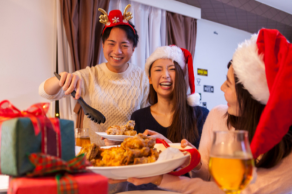 Japan
Japan
Did you know that for some people in Japan, KFC is a typical feast of Christmas Eve?
Unlike many western countries, Christmas is celebrated as a romantic and commercial holiday in Japan, not a religious one.
Popular Japanese Christmas traditions include eating KFC on Christmas Eve, sharing strawberry shortcake and checking out Christmas decorations. Many young families and couples pre-order their KFC Christmas buckets 6 weeks in advance to ensure they don't miss out. (Yum!)
It is also common for couples to go out for a romantic date on Christmas Eve, as Christmas Eve is considered one of the most romantic nights of the year in Japan. Simply put, for may Japanese people Christmas Eve is the Japanese version of Valentine’s Day.
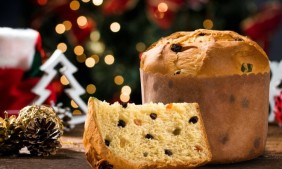 Italy
Italy
It is common for Italians to prioritise family, faith, and exceptional cuisine, rather than commercial excess during Christmas. Their festive season kicks off on 08 December and extends through 06 January.
While Christmas in Italy is as diverse as the country itself, Italians traditionally avoid eating meat on Christmas Eve, so it’s all about fish and vegetables. Some people may be familiar with the Feast of the Seven Fishes, an Italian American celebration of Christmas Eve with dishes of fish and other seafood.
 After the “light” Christmas Eve dinner, it is common for Italians to invite their family and friends on Christmas Day for a lavish lunch, featuring traditional dishes such as pasta, roasted meats, and classic desserts like panettone and pandoro.
Across Italy, Christmas is a time to stay at home and eat with loved ones.
Africa 
In most African countries, going to church on Christmas day is of high significance. But every country has its own unique, festive traditions, as Africa is such a diverse continent.
For example, in countries like Kenya, is is believed that Santa Claus rides around the world on a camel instead of reindeer!
Rather than having a Christmas ham or turkey, many African families have fish, lamb and stews for their traditional meal. And instead of the tradition of using pine trees, they’ll decorate the native tree found in their backyard. This includes palm trees, mango and other fruit trees.
The Philippines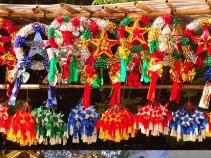
Approximately 90% of the Filipino population are Christian. The Philippines is known for having the longest Christmas season in the world, where preparations for the holidays start as early as September 01!
For most Filipinos, Christmas customs in the Philippines include a mixture of western and native Filipino traditions. Filipinos have their own Christmas traditions such as the 'parol', which is a bamboo pole or frame with a lighted star lantern on it.

After hearing the late-night Christmas Eve mass (‘Misa de Gallo’), it is common for Filipinos to return home and feast at midnight, before sleeping in and relaxing on Christmas Day.
This celebration is called Noche Buena, meaning ‘good night’ in Spanish. It is traditionally celebrated with family, friends and neighbours and the feast usually features dishes like lechon (roasted pig), Filipino spaghetti, and desserts.
It is always interesting to hear about other cultural traditions, and is such a great way to increase our cultural awareness. We encourage you to broaden your horizons this festive season, and maybe even try to implement a new dish or tradition with your family and friends.
We hope you have a safe, Merry Christmas!