 Chat to a clinician
 Find a centre
 Emergency assistance
 Donate now

If a young person you care about is expressing anger often or struggling to manage strong feelings, you may be in a good position to support them. It’s also natural for family to have their own feelings when confronted with a young person's anger. You might feel hurt, disappointed, worried, frustrated, or unsure what to do next. Sometimes we may instinctively want to step back from anger or might not feel ready to offer support in the moment, and that makes sense. Responding to strong emotions can take time, practice, and sometimes healing of your own. What matters is recognising where you're at, staying open to learning, and knowing that supporting a young person is often a gradual, growing process for everyone involved.
Family can play an important role in building a young person’s self-awareness, supporting emotional expression, and strengthening their sense of safety and connection. Family here includes biological, chosen, cultural, and community family.

Why young people might feel angry
Understanding that anger may be connected to other life circumstances can help you support the young person with compassion and clarity. If they don’t know why they are feeling angry, meeting them where they are at is what matters. You don’t have to have all the answers, being present can be enough.
Young people might feel angry for many different reasons. Difficulties within peer groups and friendships, conflict in relationships, pressure from school or work, or feeling misunderstood can build up and be expressed as anger or frustration. Past trauma, experiencing family or intimate partner violence, grief, and big life transitions (such as migration, moving house, changes in family structure, or starting a new school) can also make emotions feel stronger.
Many young people worry about social and environmental issues including discrimination, racism, financial and housing stress, climate anxiety, and global conflict. These broader pressures can sit heavily on young people and contribute to anger feeling ever-present or overwhelming.
Sometimes a young person might not know why they are angry or have the words to explain it, it might feel to them (and you) like it has come out of nowhere. Regardless of the why, meeting the young person with care is what counts. How you respond to their emotions will shape the way they learn to process and express them.
“I believe as a child constantly being told to be quiet or not speak to people when you are angry can lead to people struggling to process their anger meaningfully in their adolescence and later life.”- Angus (24)
The adolescent brain and strong feelings
Young people’s brains go through a period of rapid growth during adolescence and continue developing into their mid-20s. The parts of the brain that support planning, emotional regulation, impulse control and perspective-taking are still “under construction”. This means young people often feel emotions, including anger, intensely. This can be really challenging for a young person to navigate, which is where kind presence can play a big role over being told to ‘just move on or get over it’.
Learning to notice anger, understand it, and express it in helpful ways is an important part of social and emotional growth and wellbeing.
Different ways that anger can show up
Anger doesn’t always look like yelling, arguing, or losing your temper. Many young people express anger in ways that are quieter or less obvious. It might look like:
-
shutting down, going quiet, avoiding conversation
-
withdrawing
-
spending long periods scrolling, gaming, or zoning out
-
becoming irritable, sarcastic, or impatient
-
pushing others away
-
turning anger inward through negative self-talk, self-blame, or self-harm
Anger is a normal human emotion, and it can be expressed in many ways. Being mindful of the different ways that anger might be communicated can help you tune in to the young person and meet them where they are at.
The Anger Iceberg
Anger is often only the tip of the iceberg. Recognising that anger is often one part of a broader emotional experience of feelings and beliefs is important to building an understanding of the whole picture.
Anger is sometimes called a ‘secondary emotion’. It can be the ‘tip of the iceberg’ for more vulnerable feelings sitting below the surface. Beneath anger, we might find feelings of hurt, fear, disappointment, guilt, jealousy, grief, shame, and exhaustion.
People may also express anger when they feel:
-
powerless or unable to control a situation
-
threatened or frightened
-
unfairly treated or discriminated against
-
misunderstood, ignored or not listened to
-
under pressure or that they’re not meeting expectations
-
disconnected from family, community or Country
If you or the young person your supporting come from a culture or family that’s experienced a collective hurt like loss, racism, colonisation, or displacement- or have been discriminated against based on identity, sexuality or disability- anger can be a part of that story too. It’s a human response to pain and injustice.
"When I received my autism diagnosis at 19 years old, it was a lot to take in...As it sunk in, I started to feel really angry when I thought about how many times my primary school teachers had ignored my needs...After I while I realised that I was not just angry about this, but also very sad for how things could have been so much better for me growing up" - Young person (19)
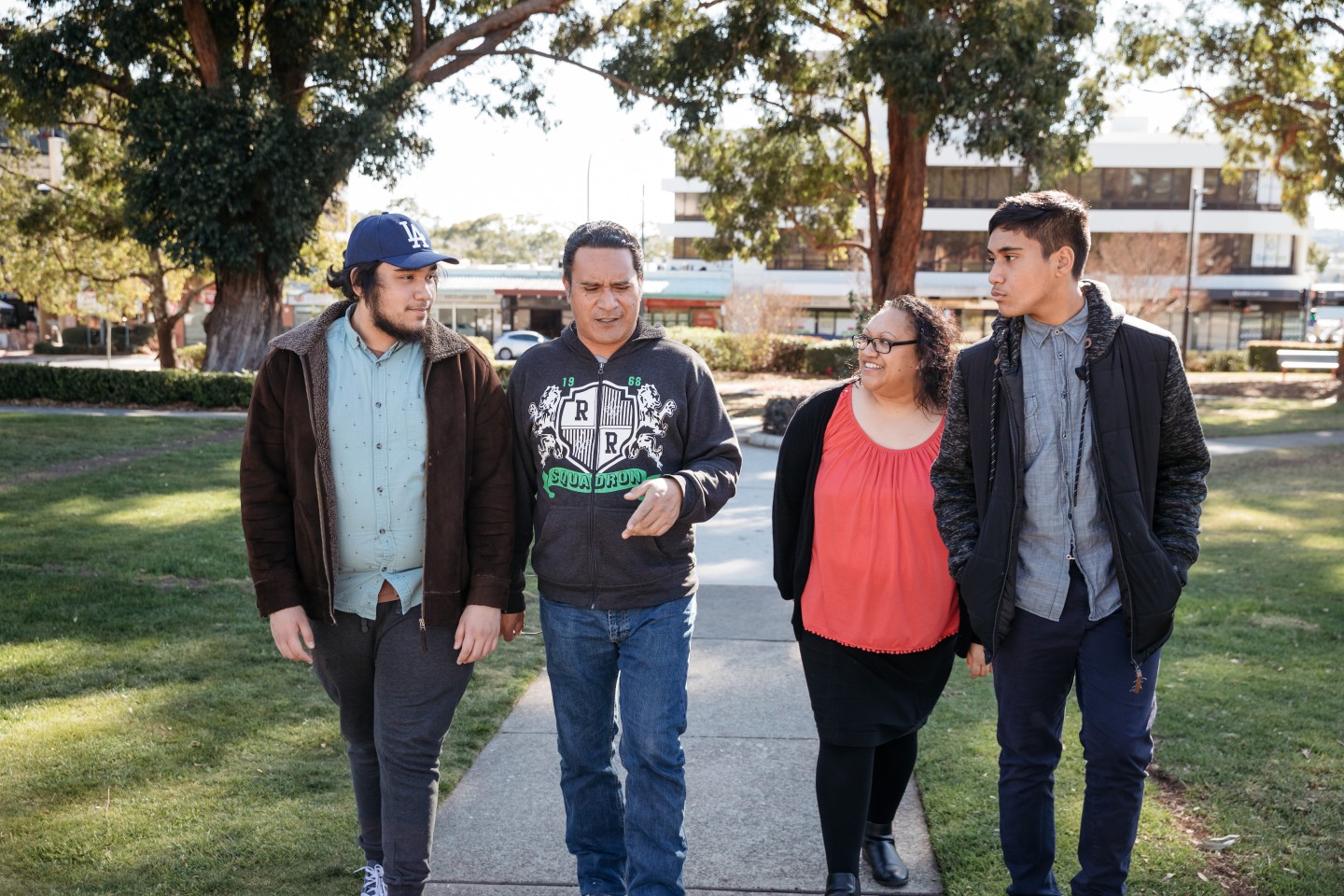
Understanding anger across family and cultures
Every family, culture, and community has its own way of expressing, and interpreting, anger. Some may encourage open expression of strong feelings; others may value more indirect ways of communicating distress. For example, in some cultures, raising one’s voice might be seen as a normal way to show frustration, while in others, people may express anger through silence or subtle gestures rather than words.
Reflecting on how you grew up around anger and your cultural beliefs can help you better understand how you learnt to express and respond to anger:
-
How was anger expressed (or not expressed) in your family or culture growing up?
-
What messages did you learn about strong emotions?
-
Are there differences between your expectations and the young person’s way of expressing emotion? How might this be shaping your interactions?
How anger is expressed and understood can vary between cultures, families, and communities. Being open and curious about these differences helps build understanding and avoid misunderstandings when anger is expressed differently between two people.
How can you respond to someone who is expressing anger?
Stay calm. Your calm presence can help them settle their nervous system and give them space to ground. Meeting them with anger can escalate the situation and often discourages them from expressing how they feel in the future.
Listen. Let them share their feelings without judgement. Feeling heard can reduce intensity quickly.
Acknowledge their feelings. Statements like “I can see this really matters to you” or "I can hear that you feel really strongly about this” rather than telling someone to “calm down”.
Be curious. If they are open to it, explore with curiosity and non-judgment what might be happening underneath the anger. This signals safety and care.
Give them space when needed. If emotions escalate or the conversation stalls, time apart can help everyone reset. You can’t force a conversation. You can let them know you are there to talk when they feel ready.
Tune into their preferences. Some young people prefer expressing feelings indirectly — through art, music, movement, being outdoors, or shared activities — which can feel safer and more culturally comfortable than direct discussion.
Set boundaries. When needed, set boundaries to keep everyone safe. See anger vs. aggression below.
Starting a conversation around anger
If or when the young person feels ready and open to talk...
-
Choose a time and place where everyone feels safe and more open to listening and reflecting.
-
Remind them that anger is a healthy emotion.
-
Encourage them to recognise and name what they’re feeling.
-
Share your concerns if anger seems to be affecting their life or relationships.
-
Explore gently what might be underlying the anger without focusing on it. The young person may not know or be ready to talk about it, be lead by them.
-
Share your own healthy strategies (if useful) while respecting that they may prefer different approaches.
-
Discuss and negotiate boundaries
Role modelling
How you respond when you are angry can shape how the young person responds to their own feelings. Managing your anger in healthy ways models emotional regulation, repair, and care. Considering how you express anger and if the young person has similarities or differences to that can be helpful.

Strategies everyone can use when you’re feeling angry
The following strategies are helpful when feeling angry. You might explore these in conversation with the young person and practice them yourself to support your own regulation and role modelling.
Practice the skill of recognising feelings as they arise. Be curious about what is going on. Self-awareness is the first step towards regulating feelings and behaviour.
Physical movement, including running, bouncing a ball, kicking a footy, and dancing, can release tension and reset the nervous system.
Deep breathing, muscle relaxation, and engaging in soothing and calming activities such as taking a shower, being in nature, and stretching can help us pause and think clearly.
Animals can be grounding and soothing. Connecting with animals and pets can having a calming effect.
Music is a powerful way of influencing mood. Playing and listening to music can help to release and settle strong emotions.
Writing can slow things down and help make sense of feelings.
It may not be you that the young person chooses to talk to and that’s okay. You can encourage the young person to recognise who they trust and can talk to about how they feel.
When anger becomes a problem
Anger may be a sign to seek extra support when a young person:
-
feels angry most days
-
is overwhelmed by the intensity of their feelings
-
is finding it hard to control impulses
-
is using substances or self-harm to cope
-
is hurting themselves, others, pets or property
-
Is making people around them feel scared or intimidated
-
has anger that is impacting relationships, school, work or daily life
-
feels stuck, ashamed, or out of control
Anger itself isn’t a mental health condition, but ongoing struggles with anger can affect wellbeing and may be connected to other things, such as: stress, trauma, anxiety, depression, or neurodivergent experiences.
If anger is becoming a pattern of distress or harm, professional support can help young people understand what’s going on, build emotional skills, and strengthen safety and relationships. You can support them to see their GP for a referral to a mental health professional or attend a headspace centre. You and the young person can also access support online and via phone at eheadspace.
Anger vs aggression
Anger is a feeling. Experiencing anger from time to time is a normal and natural part of being human. Aggression and violence are actions. Anger can feel overwhelming, but it does not automatically lead to harmful behavior. Distinguishing between the feeling and the action helps young people understand they have choices about how to respond.
Responding to someone who is becoming aggressive
In containing a situation where anger becomes aggression it’s important to set clear boundaries. You can approach this by...
Use a steady voice. You don’t need to match their intensity. Simple “I” statements like “I want to keep us both safe” help set the tone.
Try “I’m noticing things are getting heated. I’m going to take a moment”. Focus on your actions and what is in your control.
Remind the young person that aggressive behavior is not okay. For example, “I can keep talking if we speak respectfully” or “I won’t stay in the room if voices are raised”.
Boundaries feel kinder when they include a next step. If you feel comfortable to do so, you might suggest something like, “Let’s both take a breather. We can check in again in ten minutes.”
Repeating the same calm boundary helps the other person know what to expect, even if they’re caught in strong feelings.
Prompt them to use tools that help de-escalate.
If the situation is escalating, prioritise safety. It’s okay to step away or ask for help. You might say, “I care about you. Right now I need space to keep everyone safe.” If you have immediate safety concerns you can call 000.
When the situation has calmed down you can revisit boundaries and explore healthier ways they can express strong feelings.
If violence is occurring
If anger shifts into violence, it is important to act quickly. It can include threats, property damage, physical harm, shouting, swearing and put-downs, bullying or intimidation, demanding money, stealing, making people do things against their will, or behavior that makes others feel unsafe.
-
Safety must come first. If you or anyone else is in immediate danger, call 000.
-
You can also contact crisis support services, family violence helplines, or speak to a GP about what you’re experiencing.
-
Supporting someone you love does not mean accepting unsafe behavior. Violence is never okay, and help is available for both you and the young person.
It can feel hard for family to reach out for help when violence is coming from a young person. Family members may feel stressed, ashamed, or worried about being judged, and/or have concerns that asking for support might get the young person “in trouble”. These feelings are completely valid.
What's important to know is that reaching out for help is actually one of the strongest ways to support a young person and keep everyone safe. Services are there to work alongside young people and family with care and respect, helping everyone find their back to calm, connection, and safety. Seeking support and safety also sets a precedent for the young person and builds understanding around what is and isn’t safe.
If you or someone you know is needing more urgent support contact:
1800 Respect: National Domestic Family & Sexual Violence Counselling Service 1800 737 732 or www.1800respect.org.au
13YARN: National support crisis line for mob https://www.13yarn.org.au/ 13 92 76
Looking after yourself
Supporting a young person through anger can be emotionally demanding. You matter too and caring for yourself strengthens your capacity to care for them.
Looking after yourself is not selfish; it is an act of resilience and love. Notice what energises you, what helps you feel grounded, and what supports your own emotional wellbeing. This might include:
-
connecting with people who support and encourage you
-
taking small moments throughout the day to rest, breathe, or reset
-
engaging in activities that are meaningful, enjoyable or calming
-
moving your body and taking time to nourish yourself
-
seeking support from peers, professionals, or community
When you feel supported, resourced, and steady, you bring more calm, presence, and compassion into your relationship with the young person.
Final thought
As you walk alongside a young person navigating strong feelings, remember that connection is built in tiny, everyday steps. Choosing to be present when you can with curiosity, compassion and a willingness to grow and learn together can make a big difference over time; to your relationship with your young person and how they learn to relate and respond to their own strong feelings.
Further information and support
Professional support is available for both you and your young person. For more information, visit eheadspace for online and phone support or find your nearest headspace centre.
If you or someone you know is in immediate danger contact triple zero (000)
If you or someone you know is needing more urgent support contact:
Violence:
- 1800 Respect: 1800 737 732 or www.1800respect.org.au
- 13YARN: National support crisis line for mob https://www.13yarn.org.au/ 13 92 76
- Child Protection Helpline: 13 21 11 (Call child protection if there are any concerns about a young person (under 18) experiencing or at risk of harm, abuse or neglect)
Suicide:
- Suicide Call Back Service: 1300 659 467 or suicidecallbackservice.org.au
- Lifeline: 13 11 14 or lifeline.org.au
Other useful resources
-
Raising Children Network is an online resource for parents and carers filled with tips and tools for raising young people.
-
Beyond Blue has lots of resources on mental health and runs online forums.
-
ReachOut has resources to help under 25s and their parents through tough times.
-
Peer led chats for family and friends hosts many discussions on a range of topics for those supporting a young person.
-
headspace has a number of interactive tools that can help young people and their family reflect on their needs, engage in skill building and set meaningful goals to improve mental health and wellbeing.
The headspace Clinical Reference Group oversee and approve clinical resources made available on this website.
Last reviewed January 2026
Google Scholar 2018-2020
Search terms
Anger and young people (+ meta-analysis and systematic review)
Anger and psychoeducation (+ meta-analysis and systematic review)
Baker D. and Rice S. (2017) Keeping it real: Reimagining mental health care for all young men. Melbourne: Orygen, The National Centre of Excellence in Youth Mental Health
headspace (2020), Clinical Tips: Anger. Clinical Toolkit. https://headspace.org.au/assets/download-cards/CT-Anger.pdf
headspace (2016). Mythbuster: Moving away from common myths to a better understanding of anger and anger-related difficulties in young people (headspace.org.au)
Hyoeun L, DiGiuseppe R (2018). Anger and aggression treatments: a review of meta-analyses. Science Direct,19: 65-74. www.sciencedirect.com/science/article/pii/S2352250X17300520
Scanlan F, Interview and review (2021), Subject Matter Expert, Senior Clinical Advisor headspace
Scanlan F, Parker A & Montague A (2016) Evidence Summary: Understanding and assessing anger-related difficulties in young people – A guide for clinicians. Orygen – the National Centre of Youth Mental Health. Melbourne. https://headspace.org.au/assets/download-cards/OR17177-EvidenceSummary-Anger-WEB.pdf
Siegal, D, J. MD (2014) Brainstorm, the Power and Purpose of the Teenage Brain. https://drdansiegel.com/book/brainstorm/
Siegal, D. J, MD., and Mary Hartzell, M.Ed. (2013) Parenting from the Inside Out, How A Deeper Self-Understanding Can Help You Raise Children Who Thrive. https://drdansiegel.com/book/parenting-from-the-inside-out/
https://parents.au.reachout.com/common-concerns/everyday-issues/anger-and-teenagers
Get professional support
If you feel you need help there are a range of ways we can support you.