 Chat to a clinician
 Find a centre
 Emergency assistance
 Donate now
Anxiety is something that we all experience from time to time. It's our body’s way of preparing us to face and manage challenging situations. Sometimes anxiety can help us perform better by helping us feel alert and motivated.
Anxiety can come and go but sometimes it can stick around for a long time, feel overwhelming, or happen frequently. Anxiety can also be influenced by difficult experiences, ongoing stress, discrimination, uncertainty or situations that affect a person's sense of safety and wellbeing. Over time, it can have a big impact on daily life.
It can be tough to cope, but the good news is there are things you can do and ways you can get support.
Download our fact sheet on anxiety
(PDF 393 kb)
What are the symptoms of anxiety?
Everyone experiences anxiety differently, but there are some common signs and symptoms of anxiety. The way anxiety shows up can be influenced by a person's personality, culture, life experiences and current circumstances. Some people notice anxiety mostly in their thoughts, while others experience it more strongly through physical symptoms.
Physical signs can include:
- a racing heart
- faster breathing
- feeling tense or having aches (especially neck, shoulders and back)
- sweating or feeling dizzy
- shaking
- ‘butterflies’ or feeling sick in the stomach.
Thoughts can include:
- worrying about things a lot of the time
- feeling like your worries are out of control
- having trouble concentrating and paying attention
- worries that seem out of proportion.
Other signs can include:
- being unable to relax
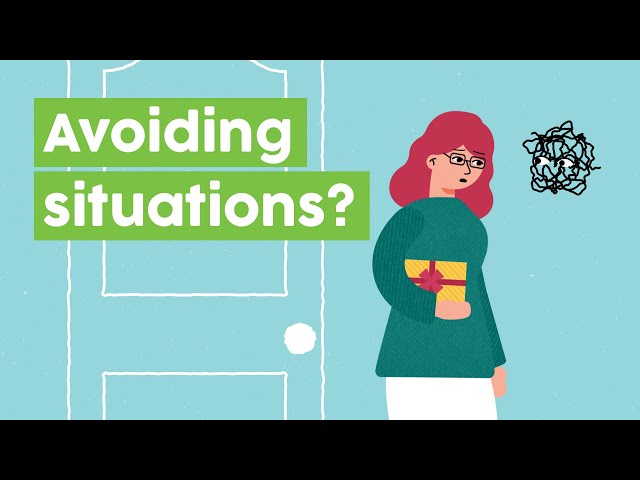
- avoiding people or places like school or parties
- withdrawing from family and friends
- feeling annoyed, irritated or restless
- difficulty getting to sleep at night or waking up a lot during the night.
Most people experience anxiety at times. Anxiety disorders are different because the anxiety is more persistent, intense, or begins to significantly affect daily life, relationships, study, work or wellbeing. They can significantly affect how a person feels, thinks, behaves and interacts with others. People can experience different types of anxiety disorders, but it’s important to know that they can all be treated.
Generalised anxiety
Some people may worry about things a lot of the time, they may feel that their worries are out of control. They might feel tense and nervous most of the time, have trouble sleeping or find it hard to concentrate.
Social anxiety
Some people may experience intense anxiety in social situations because of a fear of embarrassment or judgement. This may lead a person to start avoiding situations where there are other people, like hanging out with friends or going to work, school, TAFE or uni.
Separation anxiety
Some people experience intense fear about being away from loved ones, like parents or siblings, or often worry about them being hurt.
Agoraphobia
Some people feel intense anxiety about being in particular environments outside the home. This can include public spaces, public transport, enclosed spaces or crowds.
Panic disorder
Some people have recurring panic attacks and ongoing fears about experiencing more panic attacks.
Specific phobias
Sometimes a person may experience a fear of a particular situation or object, like a small space or spider, that leads to a person avoiding a situation or object.
Lots of people avoid things they’re scared of. When it gets in the way of daily life, that’s when it’s time to get support.
Panic attacks are sudden rushes of intense anxiety or fear together with frightening thoughts and physical feelings.
Frightening thoughts might include:
- ‘I’m going to die.’
- ‘I can’t breathe.’
- ‘This isn’t going to stop.’
- ‘I’m having a heart attack.’
Physical feelings might include:
- pounding heart
- sweating
- difficulty breathing
- shaking
- feeling dizzy
- feeling sick.
Panic attacks can feel overwhelming but are usually short (about 10 minutes). It’s important to know, they do pass.
What can I do to manage anxiety?
There are plenty of ways to manage your anxiety so that it doesn’t get in the way of your daily life.
Care for yourself
Managing anxiety starts with good self-care. Try to eat well, get enough sleep and stay active to support your mental health and wellbeing. Regular movement can be especially helpful for anxiety, as it can reduce stress, release tension, improve sleep and support overall wellbeing. You can also learn about stress and explore different ways you can manage it.
Talk about it
It can help to talk about how you're feeling with people you trust, whether that's family, friends, a teacher, coach, your mob, Elders, community members or other supportive people in your life. They can support you, help you understand what’s going on, stick to your self-care goals and get extra help if needed.
Notice your thinking patterns
Being aware of how your thoughts can influence your anxiety is an important step towards managing it. It can help you understand what contributes to your anxiety and what your triggers are. This can help you to handle them differently and learn new ways to respond. Learn more about unhelpful thoughts.
A note on avoidance
Try new breathing strategies
Lots of anxiety symptoms involve a cycle of physical sensations – pounding heart, shortness of breath, trembling and butterflies in the stomach. Working on slowing your breathing is a good way to try to interrupt that cycle. There are many apps that can help with this; you might want to try Breathe2Relax.
Limit your use of alcohol and other drugs
Some people use alcohol or other drugs to cope with anxiety or difficult feelings. While they may provide temporary relief, they can sometimes make anxiety worse over time or make it harder to manage. There are lots of ways to limit your alcohol and other drug use.
Anxiety and depression
Many young people experiencing an anxiety disorder may also experience symptoms of depression. This can make things much more confusing. If you think this is happening to you, it’s important to reach out for support.
Getting support
For some people, using these tips will be enough to manage symptoms of anxiety. If anxiety is making it harder to cope, affecting your relationships, work, study or wellbeing, or feels connected to difficult life experiences or ongoing stress, professional support can help.
For many young people, support may include family, friends, community, culture, spirituality, connection to Country, professional support, or a combination of these. Different types of support work for different people.
Youth support services
For more information or support find your nearest centre or contact eheadspace, our phone and online service
Additional youth support services
Kids Helpline: kidshelpline.com.au or call 1800 55 1800 (5-25 years)
ReachOut: reachout.com.au (under 25s)
SANE Australia: sane.org or call 1800 187 263 (18+ years)
Lifeline: A 24-hour crisis service: lifeline.org.au or call 13 11 14 (all ages)
Talk to your local doctor/ General Practitioner (GP) or you can search for a health service and GP on Head to Health.
Other useful resources
headspace interactive activities can help you reflect on your needs, engage in skill building and set meaningful goals to improve mental health and wellbeing. These include unhelpful thoughts, problem solving and being kind to yourself.
headspace Group Chats hosts many discussions for young people with clinicians on a range of topics. You can join the chat or view the transcripts. Log in or create a headspace website account to see what chats are coming up or happening now.
Online programs and apps
There are lots of websites and apps that can help you cope with anxiety
The headspace Clinical Reference Group oversee and approve clinical resources made available on this website.
Last reviewed 24 August 2026
Get professional support
If you feel you need help there are a range of ways we can support you.